Understanding the cultural significance of gambling across different societies
The Historical Roots of Gambling
The origins of gambling can be traced back thousands of years, with evidence found in ancient civilizations such as China, Mesopotamia, and Egypt. These early forms of gambling often intertwined with religious and social practices, serving as a means of divination or a way to engage with deities. For instance, in ancient China, gambling games like “Keno” were used to raise funds for governmental projects, showcasing a blend of civic duty and entertainment. In the modern era, many players turn to platforms like Albion online casino to enjoy a variety of games with ease.
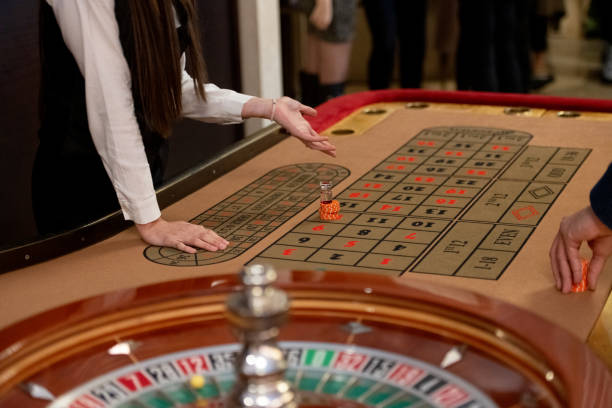
In ancient Rome, gambling was a popular pastime among all social classes, with games of chance being prevalent during festivals and public gatherings. This recreational activity often sparked debates regarding morality and ethics, leading to regulations that sought to control excessive gambling. The cultural significance of gambling in these societies reflects a complex interplay of recreation, spirituality, and community bonding.
As civilizations evolved, the methods and regulations of gambling transformed, adapting to societal changes. In medieval Europe, for example, games of chance were often linked to fortune-telling and were perceived as ways to foretell the future. This shift highlights how gambling has been a reflection of societal values, fears, and aspirations, embedding itself in the cultural fabric of communities throughout history.
The Social Functions of Gambling
Gambling serves various social functions across cultures, acting as a medium for social interaction and bonding. In many Indigenous cultures, traditional gambling games are crucial during communal gatherings and celebrations, reinforcing community ties and shared identities. For instance, Native American tribes engage in games like “bone games” that facilitate storytelling and strengthen social cohesion.
In contrast, modern gambling often manifests in various forms, from casual poker nights among friends to large-scale casino experiences. These environments foster social interaction, offering opportunities for people to connect and share experiences. This communal aspect is not only about the game itself but also about the shared excitement and anticipation that gambling can evoke.
Moreover, gambling can also serve as a coping mechanism for individuals facing societal pressures. In some cultures, it provides an escape from everyday struggles, allowing people to momentarily step away from their realities. As many learn about budgeting and bankroll management, the effects of gambling remain significant and varied across different societies.
The Economic Impact of Gambling
The economic significance of gambling cannot be understated, as it contributes significantly to national and local economies. In many regions, casinos and betting establishments create thousands of jobs, from hospitality to security. Additionally, the tax revenue generated from gambling operations often supports essential public services like education and infrastructure, making it a vital economic driver.
However, the economic benefits of gambling come with their own set of challenges. The proliferation of gambling establishments can lead to increased societal issues, such as gambling addiction and related health problems. Governments often face the difficult balance of reaping economic benefits while addressing the social implications of gambling addiction, leading to complex policy decisions.
Furthermore, the rise of online gambling platforms has reshaped the economic landscape, providing unprecedented access to gaming for individuals globally. This shift presents both opportunities for economic growth and challenges regarding regulation and responsible gambling practices. As societies continue to navigate these changes, the economic implications of gambling remain a central topic of discussion.
The Ethical Considerations of Gambling
The ethical considerations surrounding gambling are multifaceted and often contentious. Many cultures grapple with the morality of gambling, as it can lead to financial ruin and addiction for some individuals. Critics argue that gambling preys on vulnerable populations, exploiting their desperation and leading to broader societal harm. This perspective often leads to calls for stricter regulations and ethical gambling practices.
Conversely, proponents of gambling argue for personal freedom and the right of individuals to engage in activities of their choice. They assert that responsible gambling practices can mitigate risks, and many gambling establishments promote awareness about addiction and provide resources for help. This debate underscores the cultural differences in perceptions of gambling, where some societies embrace it as a form of entertainment while others view it as a vice.
Moreover, the ethical considerations extend to the advertising and marketing strategies employed by gambling operators. The responsibility to promote gambling in a way that does not glamorize excessive risk-taking is a growing concern among regulators and society at large. As gambling becomes increasingly integrated into popular culture, the ethical implications of its portrayal and accessibility continue to evolve.
Gambling Today: Cultural Perspectives in Modern Society
In today’s interconnected world, the cultural significance of gambling continues to evolve, influenced by technology and shifting societal norms. Online gambling platforms have democratized access to gambling, allowing people from diverse backgrounds to engage in gaming from the comfort of their homes. This trend has led to a blend of traditional and modern gambling practices, reshaping how communities interact with this age-old pastime.
The cultural attitudes toward gambling are also shifting, with many societies becoming more accepting of it as a form of entertainment rather than a vice. Public discussions increasingly focus on responsible gambling practices and the integration of educational initiatives aimed at preventing gambling addiction. This evolving perspective reflects broader societal changes regarding personal freedom, consumer rights, and the importance of mental health.
As we navigate the complexities of gambling in contemporary society, it is essential to recognize the deep cultural roots that influence our perceptions and practices. By understanding these cultural dynamics, we can foster an environment that respects individual choices while promoting responsible engagement with gambling.

Albion Online Casino: A Modern Gambling Experience
Albion Online Casino exemplifies the modern approach to gambling, offering UK players a direct and transparent gaming experience. With a vast selection of over 3,000 titles, including slots and live tables, it caters to diverse preferences and gaming styles. The platform prioritizes user experience, providing an accessible environment that requires no downloads, thus enabling players to enjoy their favorite games across various devices.
Beyond just entertainment, Albion Online Casino emphasizes responsible gambling, ensuring that players have the resources and support they need to engage safely. The commitment to security and player well-being reflects a growing trend in the gambling industry, where operators recognize their role in promoting ethical gaming practices. By fostering a safe and enjoyable environment, Albion Online Casino contributes to a positive cultural narrative around gambling.
In summary, as the cultural landscape of gambling continues to shift, platforms like Albion Online Casino serve as examples of how the industry can evolve to meet the changing needs and values of society. By blending tradition with modern technology and responsible practices, the casino aims to provide a comprehensive and engaging gaming experience for all players.